Implant Dentures
Implant “Snap-On” Removable Denture Treatment
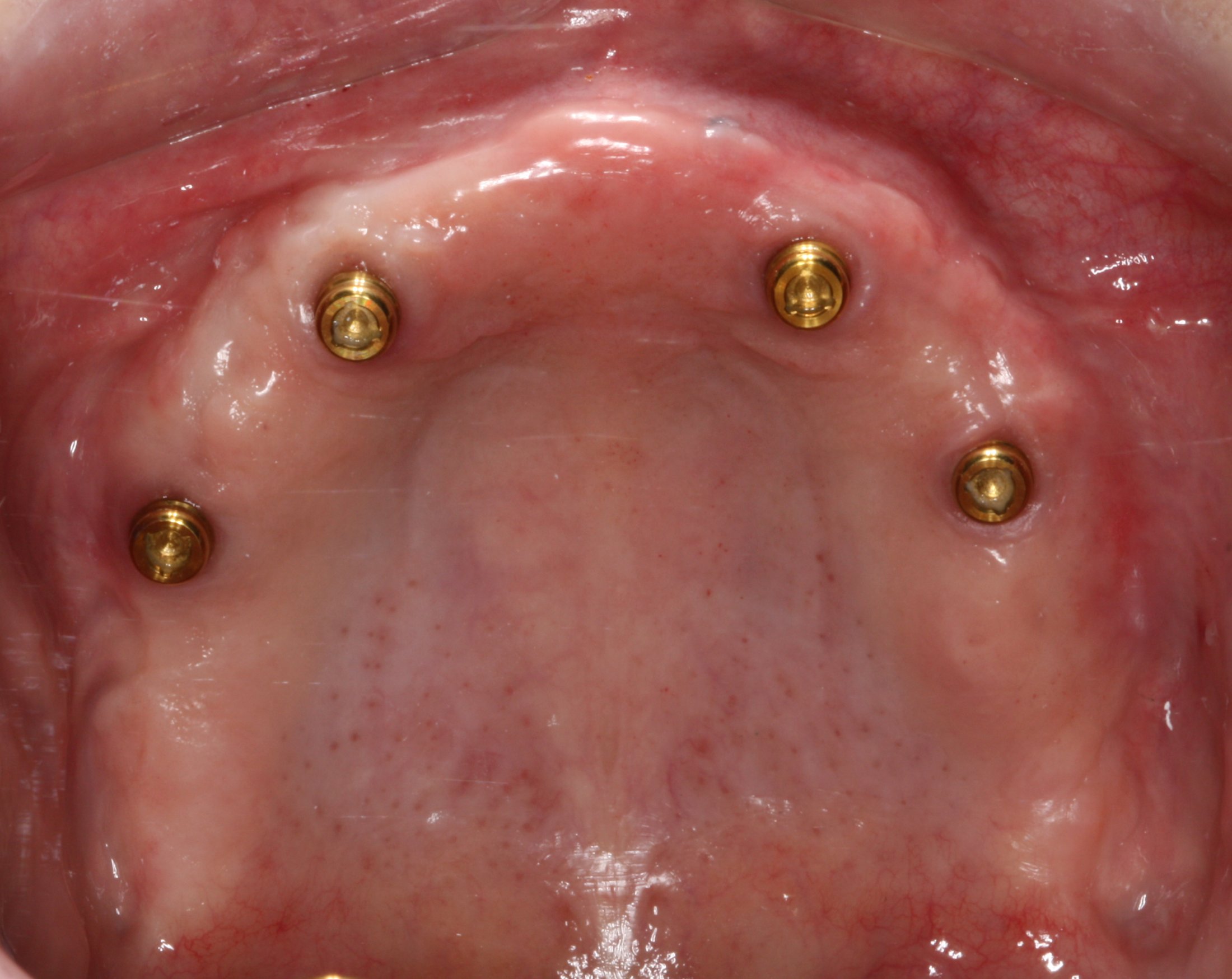
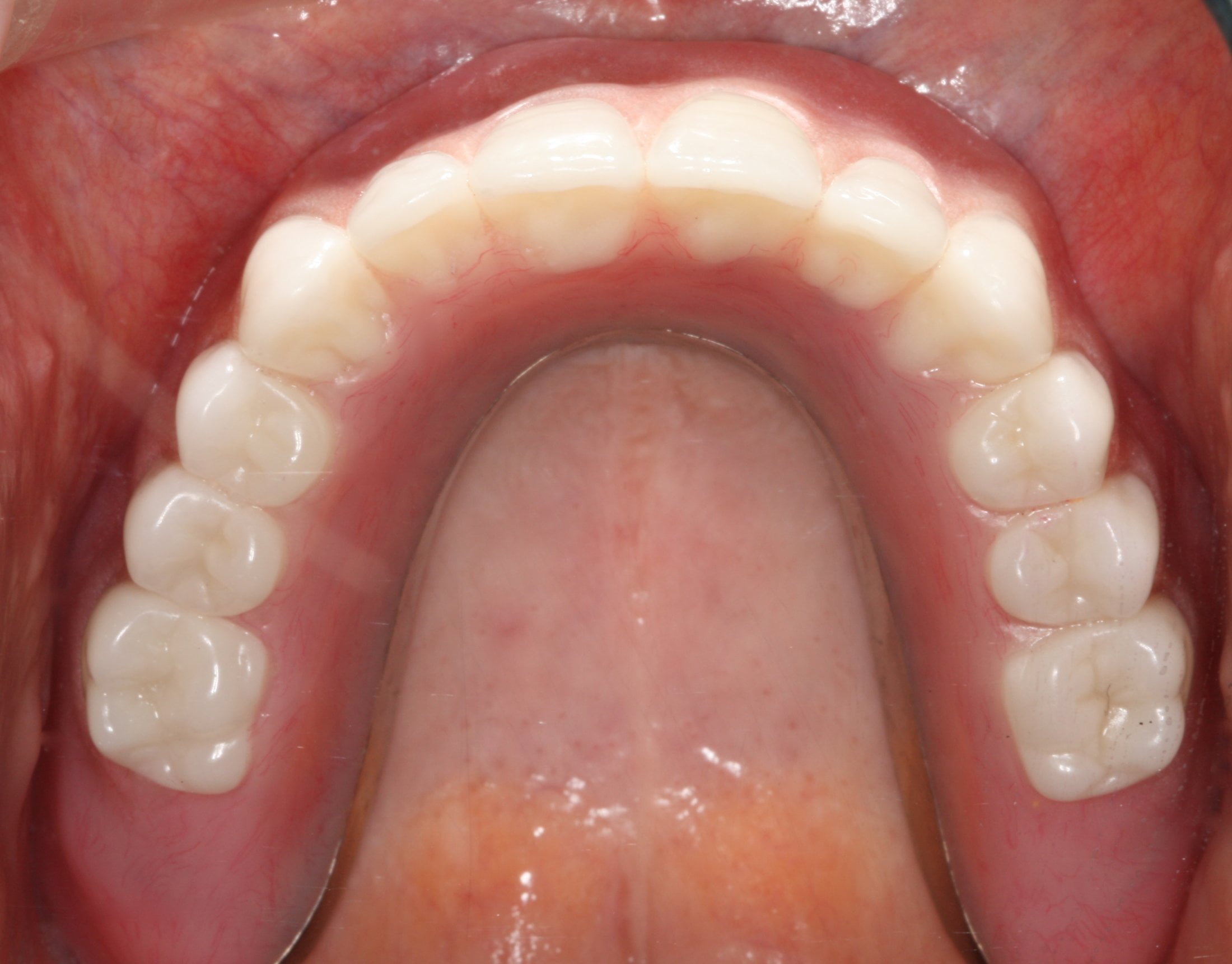
An Implant “Snap-On” Removable Denture combines the stability and retention provided by dental implants with a prosthesis that remains removable for cleaning and maintenance.
Treatment is carefully staged from surgery through final delivery. Patients have teeth throughout the process, using a temporary removable denture that is continually adapted as the mouth heals and changes. The implants are given time to heal, the tissues are allowed to mature, and the final prosthesis is carefully designed and fabricated after healing is complete.
Dr. Esguerra personally directs both the surgical and prosthetic phases of treatment, working closely with our in-house dental laboratory throughout the process. Treatment is individualized based on the patient’s existing teeth, anatomy, bone and tissue conditions, healing, and clinical findings.
Considering an Implant “Snap-On” Removable Denture?
initial treatment & Surgery
Initial Consultation & Treatment Planning
Treatment begins with an initial consultation with Dr. Esguerra. Treatment options are reviewed, including the advantages and disadvantages of each approach. Once a patient has selected a treatment plan, additional diagnostic records are completed before treatment begins.
When Teeth Need to Be Removed
When hopeless or infected teeth remain, the first surgical phase typically involves removing those teeth and delivering an immediate temporary removable denture on the same day.
A soft reline is placed inside the temporary denture at the time of surgery. This soft cushioning material helps adapt the denture to the surgical sites and improves comfort and fit during healing.
As extraction sites heal, the bone and gum tissues naturally change shape. The temporary denture must adapt to those changes. A new soft reline is typically provided at the 10-day postoperative visit and again at approximately one month after surgery.
The extraction sites are then generally allowed to heal for approximately four months before implant placement.
What If All of the Teeth Are Already Missing?
Patients who are already missing all of the teeth in the arch do not need to go through the extraction and immediate-denture phase. When appropriate, treatment can proceed directly to planning and placement of the dental implants.
Dental Implant Placement
Dental implants are placed according to the individual surgical and prosthetic treatment plan.
When a temporary removable denture is being worn, Dr. Esguerra typically places cover screws over the implants so they can heal beneath the gum tissues.
At the implant-placement appointment, the old soft liner is removed from the temporary denture and a new soft reline is placed the same day. This allows the temporary denture to be adapted to the surgical sites while the implants begin healing.
At approximately 10 days after implant placement, healing is evaluated and the soft reline is replaced again as needed.
Implant Healing & Osseointegration
The implants are typically allowed to heal for approximately 4–6 months before the definitive prosthetic phase begins.
During this period, osseointegration occurs—the biological process through which the implants become integrated with the surrounding bone.
The healing recommendation is not simply the same for every patient. Dr. Esguerra individualizes the recommended healing period based in part on implant stability measured by insertion torque at the time each implant is placed, together with the surgical procedure and clinical findings.
This allows the healing recommendation to reflect the conditions actually encountered during treatment.
Stage 2: Uncovering the Implants
Once the implants have completed the recommended healing period, they are uncovered during a minor surgical procedure called Stage 2.
Healing abutments are placed through the gum tissues and the tissues are then allowed to heal and mature around them for approximately four weeks.
Measuring the Tissues & Selecting the Final Abutments
After the gum tissues have matured, Dr. Esguerra measures the tissues around each implant. These measurements are used to select and order the appropriate definitive attachment abutment for each implant.
Approximately four weeks later, the definitive abutments are placed and the final impression is made. This begins fabrication of the final Implant “Snap-On” Removable Denture.
Crafting the Final prosthesis
The definitive denture is not a mass-produced appliance. Its fit, bite, tooth position, appearance, and relationship to the implant attachments are developed through a carefully sequenced series of clinical and laboratory steps.
Much of the laboratory work is completed in our in-house dental laboratory, allowing close communication between Dr. Esguerra and the laboratory throughout fabrication.
Final Impression
A detailed impression records the gum tissues, definitive implant abutments, and anatomy needed to fabricate the final prosthesis.
Bite & Smile Design
Wax forms are used to establish how the future teeth relate to the face and opposing arch. Dr. Esguerra evaluates lip support, vertical height, smile line, tooth position, and bite. These decisions influence not only appearance, but also comfort, speech, and function.
Laboratory Tooth Arrangement
The selected denture teeth are individually arranged in wax according to the clinical records and design established by Dr. Esguerra. Shape, shade, position, and arrangement are customized for the individual patient.
Smile Try-In
Before the denture is permanently processed, the teeth can be evaluated while they are still arranged in wax. Dr. Esguerra evaluates the smile, tooth position, speech, bite, comfort, and function. The patient also has an opportunity to see the proposed result and provide feedback. If refinements are needed, an additional try-in is completed. The final design is approved before laboratory processing begins.
Laboratory Processing
After approval, the wax design is transformed into the final prosthesis. The implant attachment housings are incorporated directly into the denture during laboratory processing as part of the fabrication of the prosthesis. This means the implant attachment system is built into the final denture as part of its original design rather than simply added after fabrication.
Final Fitting & Delivery
Delivery of an Implant “Snap-On” Removable Denture is more than simply snapping the finished denture onto the implants.
Dr. Esguerra first evaluates the internal surface of the denture without the final retentive inserts in place. The denture base is carefully disclosed and adjusted as needed to achieve even support from the underlying tissues. When both arches are being treated, this process is completed for each prosthesis.
Only after the denture base has been properly fitted are the final retentive inserts selected. Retention is individualized. If the denture feels too tight or too loose, a different insert can be selected to provide a more appropriate level of retention for that patient.
The bite is then carefully evaluated and adjusted until even contact is achieved. Additional adjustments are made for comfort as needed.
Finally, the patient is taught how to place and remove the Implant “Snap-On” Removable Denture independently. Before leaving the office, we verify that the patient is comfortable with both the technique and the amount of retention.
Detailed home-care, recare, maintenance, and repair instructions are then provided.
Treatment Does Not End at Delivery
An Implant “Snap-On” Removable Denture is a sophisticated dental prosthesis with biological and mechanical components that require ongoing care.
The implants and surrounding tissues should be monitored, the fit and condition of the prosthesis should be evaluated over time, and attachment components may require maintenance as they wear.
For detailed information about living with and caring for an Implant “Snap-On” Removable Denture, visit our Implant “Snap-On” Removable Denture resource under Treatments → Dentures.